
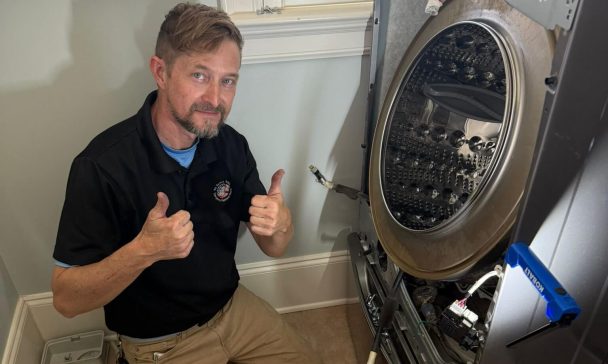
Appliance repairs can get expensive fast. Even small issues like a loose wire or a dirty filter can lead to high service bills. Many homeowners call a technician before trying anything on their own. But with a few simple tools you likely already own, you can fix many of these problems yourself and skip the service fee.
That creates stress, wastes time, and drains your budget. It’s frustrating to spend money on simple fixes you could have handled with basic tools. These small problems often grow worse when ignored. The global appliance repair and maintenance market is expected to reach $35.82 billion in 2025, with steady growth through 2033. That illustrates how often people turn to paid services, even for problems they could solve on their own.
This guide walks you through 15 simple repair hacks. You’ll learn how to solve common appliance problems and save hundreds without leaving your home. Each tip is easy to follow and uses tools you likely already have. Best part? Each tip is designed around tools you already have in your toolbox or kitchen drawer.
Top tips for DIY repair services
Fixing appliances on your own may sound tough at first, but it often leads to big savings. Many common issues start small and can be handled at home with the right steps. Below are simple, effective tips to help you avoid costly repairs and keep your appliances working longer.
Preparation is key to successful repair
Starting a repair without a clear plan often leads to misplaced parts and confusion. To avoid extra work, take a few minutes to get set up correctly. Unplug the appliance, make sure your workspace is clean and bright, and gather basic tools.
Before touching anything, check for signs like error codes or odd sounds to understand the issue better. Label wires with tape and use small containers to keep screws organized. Draw a quick diagram or jot down notes on your phone as you go. A flashlight and gloves can also make the job easier and safer. And they’re probably already in your home.
Take photos before disassembling
Reassembly often causes more stress than the repair itself. It’s common to forget where each wire, screw, or panel belongs once everything is apart. To stay organised, take clear pictures before and during each step. Label wires with masking tape and write simple notes on your phone.
Use small bowls or an egg carton to separate screws by section. Good lighting helps your photos show key details. Number your steps to match the photos. These small habits make the final steps easier and help you avoid mistakes. Simple habits like these can help you avoid rework and costly trips to the repair shop.
Read the manual
Check your appliance manual before starting any repair or maintenance task. It often includes error code explanations, troubleshooting steps, and safety warnings that help you fix the issue the right way. If you lost the paper copy, search the model number online to find a digital version.
Bookmark key pages so you can access them quickly when needed. Following the manual also helps you avoid mistakes that could void your warranty or cause more damage.
Safety First
Always unplug the appliance before starting any repair, even if it’s already turned off. Some parts, like microwave capacitors, can hold a dangerous charge long after the power is cut.
Work on a dry surface with dry hands, and wear insulated gloves if possible. Using non-slip tools can also lower your risk of injury. Skipping these simple steps can cause harm or even void your warranty, so take time to do it safely.
Check for faults in the heating system
Heating problems can show up in many appliances like dryers, ovens, toasters, or coffee makers. Signs include uneven heat, a burnt smell, or long heating times. A faulty thermostat, damaged wiring, or a burned-out coil might be the cause. Use a multimeter to test the heating element if you’re unsure.
Dust or grease buildup on coils can also block heat or lead to overheating. Unplug appliances during storms to avoid power surges. If the appliance still shows signs of damage, stop using it until it has been checked or replaced.
Check Power Connections
If your appliance won’t turn on, make sure it’s fully plugged in and check if the circuit breaker has tripped. Try resetting the GFCI outlet if it’s in the kitchen or bathroom, and test the wall outlet with another device to rule out power issues.
Look for loose or frayed cords, and check if your power strip has a reset switch. Some appliances also show small lights or sounds when receiving power, so watch for any signs of life.
Use Proper Cleaning Techniques
Always follow the cleaning instructions in your appliance manual to avoid damaging internal parts or surfaces. Unplug the unit before cleaning, and avoid using harsh products like bleach or steel wool, as they can scratch or corrode finishes.
A soft microfiber cloth works well for wiping down surfaces without leaving marks. You can also use natural options like vinegar or baking soda for stuck-on grime. After cleaning, dry the appliance completely to help prevent moisture damage or mould in hidden areas.
Clean the filters regularly
Filters help appliances like refrigerators, air purifiers, and vacuums work properly by trapping dust, food particles, and debris. A clogged filter slows performance, increases energy consumption, and can lead to unpleasant odours, especially in damp areas. Some filters should be replaced, not just rinsed, so always check your manual.
Others may be dishwasher-safe for easier cleaning. Set a reminder every 30 to 60 days to stay on track. Keeping filters clean helps protect your appliance and extends its lifespan.
Know when to replace and repair
Small appliances, such as a blender, are often cheaper to replace, but fixing a high-end fridge might be worth it. If the repair cost is over 50% of a new unit or the appliance is past its typical lifespan, replacement usually makes more sense.
Older models may also use more energy or have parts that are hard to find. Don’t forget to check your warranty or service plan. Most people wait over three days for a repair, and the average downtime is 10.9 days. Planning can save time and stress.
Clean the Dryer Vent
Clogged dryer vents increase fire risk and reduce efficiency, with over 15,000 dryer-related fires reported yearly in the U.S. Clean your vent every 6 to 12 months using a vacuum attachment or dryer brush. Signs of blockage include slow drying, excessive heat, or a burning smell during the cycle.
Always check the outside vent flap to make sure it opens properly and is free from debris. Regular cleaning helps keep your dryer running safely and prevents costly damage. Doing this yourself can save $100 or more on service visits and protect your home from fire risks.
Troubleshoot Common Refrigerator Problems
Refrigerators can lose cooling power for simple reasons like blocked vents, dirty coils, or poor air circulation. Check the temperature setting, clear space around vents, and clean the coils at the back or bottom. Listen for strange fan or compressor noises, look for frost in the freezer, and use a dollar bill to test the door seal.
Cleaning under the fridge and avoiding packed shelves can also improve airflow, helping your fridge work more efficiently. Fixing these small issues yourself can save anywhere from $75 to $2,50, depending on the model.
Maintain Dishwasher Efficiency
Clean the filter regularly and clear the spray arms to keep water flowing freely during each cycle. Avoid overloading the racks so that the spray arms can move freely without blockage. Use dishwasher cleaner once a month to break down grease and hard water buildup. Wipe the rubber door seal to stop mould growth, and run the hot water at the sink before starting the wash. These habits help your dishwasher clean more effectively and last longer without requiring costly repairs.
Address Oven and Stove Issues
Use an oven thermometer to see if the temperature matches the setting, then adjust if needed. Check the oven door seal for wear since a loose seal can cause heat loss. For gas stoves, clean the burner holes using a pin or an old toothbrush. Avoid using foil on the bottom of the oven because it blocks airflow and affects cooking.
A yellow or orange flame on your burner may indicate a gas issue and should be checked immediately. Cleaning burners and adjusting seals are easy fixes that could save you $150 or more in service costs.
Troubleshoot Washing Machine Problems
Washer problems like no spin or drain often come from clogged drain hoses, dirty filters, or an unbalanced load. Check that the drum isn’t too full, as overloading can stop spinning. A broken lid switch may also interrupt the cycle, so make sure it latches and clicks into place.
Listen for unusual noises during the cycle, such as grinding or knocking, which may indicate motor or drain issues. Some models show error codes, so always check the display for quick clues.
Seek Professional Help When Needed
Some appliance issues require expert care, especially those involving gas, wiring, or sealed systems. Sparks, burning smells, water leaks, or repeated error codes are signs you should stop and call a professional.
Attempting to fix these problems on your own can void the warranty and pose safety risks, such as shock or fire. A licensed technician knows how to handle these jobs safely and carries insurance to protect your home. Obtaining a repair quote first can also help you plan more effectively.
Avoid These Common Mistakes During DIY Repairs
Even the best DIY hacks can go wrong if you overlook even the smallest details. Skipping basic safety steps or guessing your way through a repair often leads to bigger problems. Mistakes like using the wrong tools or forcing parts back into place can cause permanent damage. Mistakes, such as using the wrong tools or forcing parts back into place, can cause permanent damage and ultimately cost more than a professional repair.
Not sure what to avoid? We’ve highlighted the most frequent DIY appliance repair mistakes and how to prevent them in a separate guide. To make your repairs safer and more successful, read this breakdown of what not to do before you start.
Save Even More with Smart Fixes from 911 Service Today in Summerville, SC
DIY fixes can cut your costs, but some problems need expert care. 911 Service Today in Summerville helps homeowners avoid mistakes, solve tough issues, and protect their appliances from long-term damage. If a repair feels too risky or time-consuming, we’re ready to step in with trusted support, allowing you to save both time and money.
Contact our team today at (843) 789-4824 and get trusted support with fast, clear answers that fit your budget.


